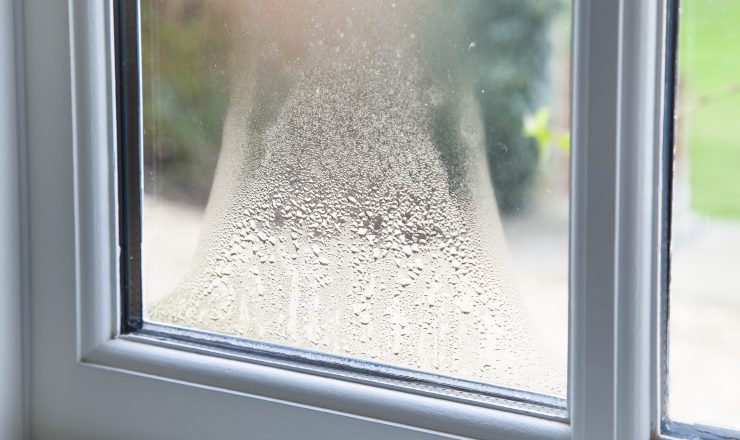
Condensation Inside Double Glazing: Understanding the Causes, Prevention, and Solutions
Double glazing is a popular option among house owners and services due to its capability to boost energy performance and provide better insulation. However, one common issue that lots of encounter is condensation forming between the panes of glass. This post will check out the causes of condensation inside double glazing, preventative procedures, available solutions, and often asked questions.
The Basics of Double Glazing
Before diving into the concern of condensation, it is necessary to understand what double glazing is. Double glazing includes 2 panes of glass sealed together, usually with a spacer in between and filled with gas, such as argon, to improve thermal efficiency. This construction assists to minimize heat transfer, that makes it an efficient insulation service.
Advantages of Double Glazing
The benefits of double glazing include:
- Energy Efficiency: Helps to keep a constant indoor temperature, minimizing dependence on heating systems.
- Noise Reduction: Reduces external noise thanks to the soundproofing homes of the sealed unit.
- Increased Security: The 2 layers of glass provide included resistance against break-ins.
- UV Protection: Double glazing can reduce direct exposure to hazardous UV rays, securing furniture and design.
Comprehending Condensation in Double Glazing
Condensation occurs when warm, wet air enters contact with cool surfaces, leading the moisture in the air to reverse into liquid water. When this process happens within the sealed area of double glazing, it can be particularly troublesome. The presence of moisture not just interferes with the visual appeal of windows but can also show underlying issues within the window system.
Reasons For Condensation Inside Double Glazing
There are numerous reasons that condensation may form inside double glazing:
- Seal Failure: The most typical reason for condensation is a failure in the seals, enabling moisture-laden air to go into the space between the panes.
- Low-Quality Installation: Poor setup can lead to compromised seals, increasing the risk of condensation.
- Age of Windows: Older double-glazed units may have broken down seals gradually due to use and tear, leading to higher condensation levels.
- Humidity Levels: Excessive humidity inside the home can contribute to more moisture entering the sealed system. Expert Double Glazing Repair can be intensified by activities like cooking, bathing, and drying clothing inside.
- Temperature Differences: A substantial temperature level disparity between the inside and exterior can increase the probability of condensation forming.
Table: Common Causes of Condensation in Double Glazing
| Trigger | Description | Resulting Impact |
|---|---|---|
| Seal Failure | Compromised seals permit moisture entry | Condensation kinds in between panes |
| Low-Quality Installation | Poor installation increases danger of seal failure | Greater probability of condensation |
| Age of Windows | Abject seals due to wear and tear | Increased condensation in time |
| Humidity Levels | High moisture levels in the home | Moist air can go into sealed units |
| Temperature level Differences | Considerable inside/outside temperature level contrasts | Increased moisture accumulation |
Prevention Strategies for Condensation
Taking proactive steps can help prevent condensation in double-glazed windows. Here are several strategies:
- Proper Ventilation: Ensure that areas are well-ventilated to minimize humidity levels. Usage exhaust fans in restrooms and cooking areas.
- Usage Dehumidifiers: Investing in a dehumidifier can help control indoor humidity, especially in moist locations of the home.
- Routine Maintenance: Inspect windows regularly for signs of seal damage and wear. Schedule professional evaluations for older windows.
- Control Indoor Humidity: Maintain indoor humidity levels below 60% using hygrometers to keep an eye on moisture levels.
- Pick Quality Windows: Opt for top quality, energy-efficient windows from credible manufacturers to decrease the danger of seal failure.
List of Preventative Measures
- Maintain correct ventilation in all living spaces.
- Use dehumidifiers as essential.
- Conduct routine examinations and upkeep.
- Display humidity levels with hygrometers.
- Pick top quality products during installation.
Solutions for Existing Condensation Issues
For house owners handling existing condensation, there are a number of approaches one can take:
- Seal Replacement: If the seals are discovered to be inadequate, changing them may solve the issue and prevent additional moisture from entering.
- System Replacement: In cases where the condensation issue is extreme or the system is old, replacing the double-glazed window might be needed.
- Desiccant Installation: Some companies provide a service to place desiccants in between glass panes, which can absorb moisture and clear the condensation.
- Professional Help: Consult with glazing professionals for customized solutions to alleviate condensation issues efficiently.
Frequently Asked Questions (FAQs)
1. How do I understand if my double-glazed window has condensation?
- If you see misting or water beads in between the glass panes, then you likely have condensation.
2. Can I fix condensation inside double glazing myself?
- It is challenging to fix condensation inside sealed units. Professional support is normally suggested.
3. How can I stop humidity from triggering condensation?
- Ensure correct ventilation, usage exhaust fans, and consider utilizing a dehumidifier to control indoor humidity levels.
4. Is condensation in between the panes an indication of a serious problem?
- While it indicates a seal failure, the general seriousness depends upon the extent of moisture and any prospective damage to the window.
5. What should I do if I observe mold due to condensation?
- Address the condensation issue promptly and deal with any mold with suitable cleansing solutions. If serious, professional remediation may be needed.
Condensation inside double glazing can be a trouble, impacting the visual appeals and function of windows. Understanding the causes, carrying out preventative steps, and resolving existing problems promptly can help homeowners keep the stability and efficiency of their double-glazed units. By remaining notified and proactive, one can delight in the benefits of double glazing while reducing the issue of condensation.